
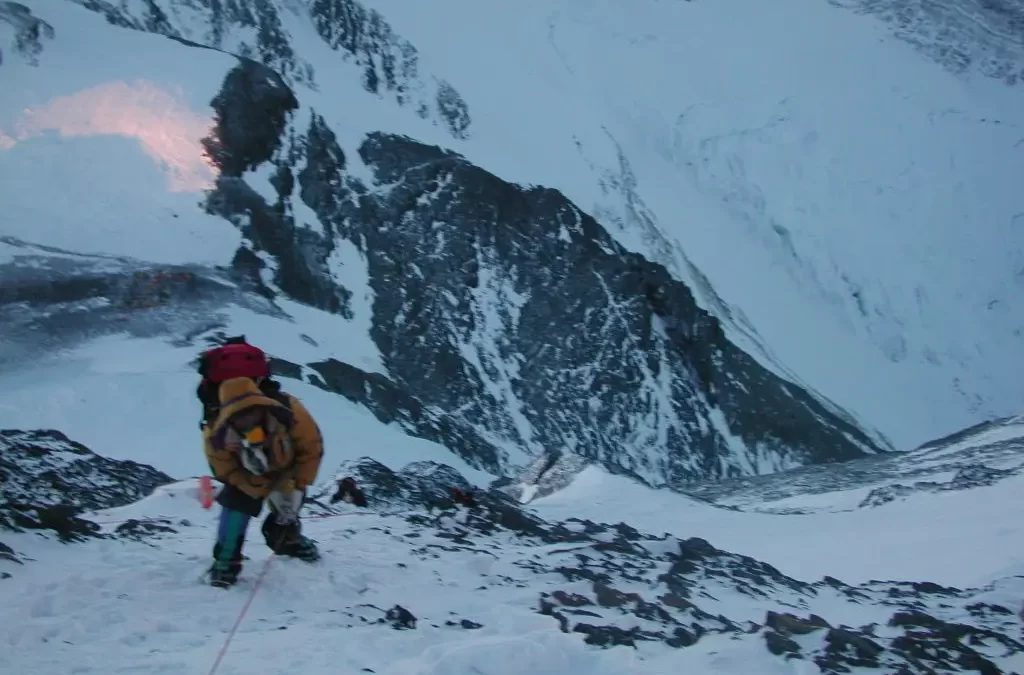
A survival adventurer keynote speaker does more than tell a remarkable story from the edge of human endurance. For an audience facing aggressive targets, organizational change, difficult decisions, or fractured collaboration, that story can create a shared emotional reference point: when conditions became unforgiving, what did it take to keep moving, trust the team, and make the next right decision?
That distinction matters to event planners and leaders. A dramatic expedition may capture attention, but corporate audiences need more than dramatic footage and applause. They need an experience that makes resilience feel actionable, leadership feel personal, and ambitious goals feel possible. The strongest adventure keynote turns a mountain, a storm, or an endurance challenge into a clear conversation about how people perform together when the stakes are real.
What a Survival Adventurer Keynote Speaker Brings to the Room
Business audiences are surrounded by polished presentations, leadership frameworks, and performance language. Much of it is useful. Yet a lived survival story reaches people differently because it is not theoretical. It carries consequence.
On an expedition, the variables are visible. Weather changes. Equipment fails. Fatigue clouds judgment. A team member struggles. There is no hiding behind a slide deck when a decision has to be made. Those conditions give a survival adventurer keynote speaker unusual credibility when discussing the pressures that also show up in organizations, even if the consequences look different in a boardroom, sales kickoff, operating floor, or university auditorium.
The point is never that business is Mount Everest. It is not. The point is that people under pressure still need clarity, communication, preparation, accountability, and the willingness to ask for help before a challenge becomes a crisis. An extraordinary expedition becomes meaningful when it helps an audience recognize those human patterns in their own work.
Gary Guller’s achievement as the first person with one arm to summit Mount Everest gives that conversation a powerful foundation. The accomplishment is striking, but its deeper value lies in what it proves: limitation is not the end of the story, and no summit is reached alone. His record-setting cross-disability Everest Base Camp expedition adds another essential lesson for modern organizations – high-performing teams make room for different strengths, perspectives, and ways of contributing.
The Difference Between Inspiration and a Useful Keynote
A standing ovation is not the only measure of a successful keynote. For corporate decision-makers, the better question is what people carry into the next meeting, the next client call, or the next difficult conversation.
Inspiration can create a powerful moment. A useful keynote creates momentum after the moment has passed. That requires an adventure speaker to connect every major story beat to a decision audiences can make in their own environment. When an expedition team confronts deteriorating conditions, the lesson may be disciplined preparation and honest risk assessment. When progress depends on the pace of the whole group, the lesson may be communication that protects both performance and trust. When a climber must adapt to a changed reality, the lesson may be the courage to revise the plan without abandoning the mission.
This is also where vulnerability matters. Audiences do not connect only with success. They connect with doubt, setbacks, fear, and the internal negotiations that happen before a person chooses to continue. A speaker who presents achievement as effortless may impress a room, but a speaker who acknowledges the hard moments gives people permission to confront their own obstacles with greater honesty.
For leaders, that is especially valuable. Teams rarely need a reminder that the goal is difficult. They need evidence that difficulty can be met with composure, preparation, and connection.
Why the Story Works Across Corporate Audiences
The right keynote must serve the event’s purpose, not simply fill a time slot. A survival story has broad appeal, but its application should change with the audience.
For a sales conference, the focus may be persistence after rejection, confidence under pressure, and the daily disciplines behind a major result. Sales teams understand that a big finish is usually built through hundreds of less visible choices. An expedition story can make that truth memorable without reducing it to a slogan.
For a leadership meeting, the stronger emphasis may be decision-making, responsibility, and communication. Leaders set the emotional altitude of a team. When they remain clear and grounded in uncertain conditions, others are more likely to do the same.
For a company navigating change, the message may center on adaptation. The original route is not always available. Conditions shift, assumptions fail, and teams may need to redefine progress without losing belief in the larger mission. That is not a retreat from excellence. It is often what excellence requires.
For diversity, inclusion, or employee-engagement programs, the cross-disability expedition perspective can open a more human conversation about belonging. Inclusion is not about lowering the standard. It is about building the conditions in which more people can contribute their best to a demanding shared objective.
There is a trade-off, however. A keynote that tries to speak equally to every possible business challenge can become too general. Event planners should look for a speaker who can preserve the integrity of the adventure while shaping the takeaways around the organization’s priorities, audience makeup, and moment in time.
How to Choose a Survival Adventurer Keynote Speaker
The most compelling credentials do not automatically create the best event experience. When evaluating a survival adventurer keynote speaker, consider whether the story has both scale and substance. A major expedition, endurance achievement, or survival experience earns attention. The speaker’s ability to translate it for a professional audience earns trust.
Start with relevance. Ask what specific themes the presentation can reinforce: resilient leadership, collaboration, accountability, high-performance execution, change, communication, or inclusive culture. Then ask how those themes are delivered. Are they woven naturally through real events, or added as generic business language after the fact?
Production quality also deserves attention. Adventure is visual. Expedition imagery, documentary footage, and purposeful multimedia can make an audience feel the scale of the challenge and remember the message long after the event. But the visuals should support the story, not replace it. The most effective presentations balance cinematic proof with a speaker’s ability to read the room, create connection, and make the experience feel immediate.
Finally, consider range. A global keynote speaker should be capable of commanding a large convention stage while remaining relatable enough for a leadership retreat or university audience. Senior executives may respond to the strategic lessons. Frontline teams may respond to the emotional reality of perseverance. A speaker with depth can serve both without talking down to either group.
The Leadership Lessons That Stay With People
The most enduring expedition lessons are not complicated. They are simply harder to practice when pressure rises.
First, a shared goal needs shared ownership. No leader can carry every load, and no team member should be left to struggle in silence. People perform better when they understand both their role and their responsibility to the people around them.
Second, communication must become more direct as conditions become more difficult. In challenging moments, vague optimism is not enough. Teams need clear information, honest concerns, and the confidence to speak up early.
Third, progress is often earned through the next disciplined step, not one heroic leap. That idea resonates because it is true across industries. A culture of execution is built through preparation, follow-through, recovery after setbacks, and the willingness to keep making good decisions when the finish line is still out of sight.
And finally, courage is not the absence of fear. It is choosing a meaningful action while fear is present. That lesson belongs in every organization asking people to innovate, lead through uncertainty, or aim higher than their current comfort level.
The best keynote leaves an audience looking at its own mountain with fresh eyes. The summit may be a sales target, a cultural transformation, a breakthrough product, or a personal challenge no one else can see. What matters is the choice that follows: prepare well, communicate clearly, support the people beside you, and take the next step together. From there, anything is possible.