
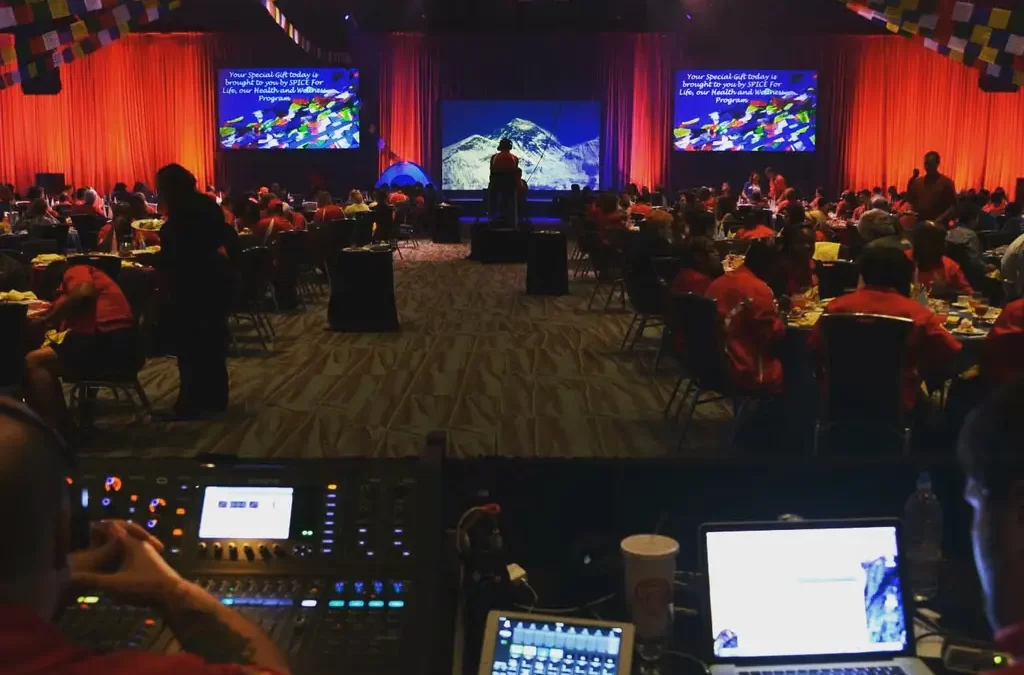
At 26,000 feet, a decision is never theoretical. The weather can close in without warning. Oxygen is limited. A teammate may be moving more slowly than expected. The summit may be visible, but visibility is not the same as viability. The most powerful mountaineering decision making lessons begin there: with the discipline to see conditions clearly, act together, and remember that getting everyone safely down is part of the objective.
For corporate leaders, the setting is different but the pressure is familiar. Markets shift. Sales targets rise. Teams absorb change while being asked to perform at a higher level. In those moments, the strongest leaders do not rely on bravado or perfect information. They create a clear process for deciding, communicating, and adapting.
Mountaineering Decision Making Lessons Start Before the Climb
The decision that determines an expedition often happens long before anyone reaches the steepest slope. It happens in preparation: choosing the team, studying the route, training for difficult conditions, reviewing equipment, and agreeing on what will cause the group to slow down, turn around, or stop.
Organizations often wait until a crisis to decide how they will make decisions. That is like debating turnaround criteria in a storm. High-performing teams establish decision rights, escalation paths, and non-negotiable standards before pressure compresses their options.
Preparation does not eliminate uncertainty. It gives people a shared language when uncertainty arrives. A sales organization entering a demanding quarter, for example, may not know which account will stall or where a competitor will appear. But it can define leading indicators, clarify who can adjust resources, and agree on when a frontline concern must reach senior leadership.
The lesson is not to predict every obstacle. It is to prepare the team to recognize obstacles early and respond without wasting precious energy on confusion.
Separate the Goal From the Plan
A summit is a powerful goal. It focuses effort, inspires sacrifice, and gives an expedition a reason to keep climbing when every step is difficult. But the route to the summit is a plan, not a promise.
Leaders can make a costly mistake when they treat a plan as if changing it means failure. A launch date, revenue target, acquisition strategy, or transformation initiative can become so emotionally charged that people stop reporting evidence that the original approach is no longer working. The result is not commitment. It is denial with a budget.
Expedition teams must continually distinguish between their purpose and their current route. If a fixed line is unsafe, if weather changes, or if a climber is struggling, the objective remains meaningful while the plan must change. Sometimes the right choice is to wait. Sometimes it is to retreat. Sometimes it is to abandon the summit attempt so the team can climb another day.
In business, this means holding ambition and adaptability at the same time. Leaders should ask: Are we committed to the outcome, or attached to one particular path? That question creates room for innovation without lowering standards.
Build a Culture Where People Can Speak Up Early
On a mountain, the quietest voice may be carrying the most important information. A teammate might notice an equipment problem, a change in wind, a sign of fatigue, or a risk that others have missed. If that person believes speaking up will be dismissed, the whole group loses access to critical intelligence.
This is not only a leadership issue. It is a team design issue. People need permission, and a practical method, to raise concerns before they become emergencies. The best teams do not confuse confidence with certainty. They invite dissent, ask what they may be missing, and make it safe to deliver unwelcome news.
That does not mean every concern receives equal weight or creates endless debate. The leader still has to decide. But the quality of a decision improves when the leader has the fullest possible picture.
Gary Guller’s experiences as the first person with one arm to summit Mount Everest reinforce a truth that applies far beyond climbing: no significant achievement is a solo performance. Every member of an expedition contributes perspective, capability, and accountability. The same is true in a boardroom, on a production floor, or during a high-stakes client negotiation.
Ask for facts, not just reassurance
Under pressure, teams often offer reassurance because they want to protect morale. “We’re fine” can feel more comfortable than “We are behind schedule, and our current pace will create a larger problem later.” Yet real confidence comes from facing facts early enough to act on them.
Leaders can model this by asking direct questions: What has changed? What are we not saying? What would make this decision unsafe, unwise, or too expensive? What signal would tell us to change course?
These questions replace vague optimism with informed resolve.
Use Turnaround Criteria to Defeat Ego
The summit can become dangerous when it turns into the only measure of success. Climbers have invested months of training, considerable resources, and enormous emotional energy. Turning back can feel unbearable, especially when the goal appears close.
Businesses face their own version of summit fever. A leader may continue funding a weak initiative because too much has already been invested. A team may push through exhaustion because stopping feels like losing. A company may ignore customer feedback because changing direction would challenge a public commitment.
Predefined turnaround criteria help prevent ego from taking control. On an expedition, those criteria may include weather windows, oxygen reserves, turnaround times, and the physical condition of the team. In an organization, they can include customer adoption, quality thresholds, cash exposure, safety performance, or employee capacity.
The point is not to make teams risk-averse. Great achievements require calculated risk. The point is to distinguish calculated risk from unmanaged hope. When the agreed threshold is reached, the decision becomes clearer because the standard was established before pride and fatigue entered the room.
Make Decisions at the Right Altitude
Not every decision belongs at the top. Expedition leaders need to know when to rely on individual judgment and when the full team needs to weigh in. A climber may need to make an immediate adjustment to secure footing. A route change in worsening weather requires broader communication and coordination.
Corporate leaders face the same challenge. Centralizing every decision slows action and weakens ownership. Delegating every decision without alignment creates fragmentation. The answer depends on the stakes, the speed required, and who has the closest view of the problem.
Clear leaders define boundaries. They tell teams what decisions they own, what information must be shared, and when to escalate. This produces faster execution because people are not waiting for permission on matters they are qualified to handle. It also protects the organization when a decision carries consequences beyond one department.
A useful standard is simple: make decisions as close to the action as possible, while bringing them high enough to manage the risk. That balance builds both accountability and trust.
Treat Recovery as a Decision, Not a Reward
Climbing at altitude punishes small errors. Hydration, nutrition, sleep, pacing, and recovery are not luxuries. They are performance variables. Ignore them long enough, and decision quality deteriorates before the team recognizes what is happening.
The same pattern appears in organizations that celebrate relentless effort but fail to protect capacity. Fatigue narrows perspective. It makes people more reactive, more defensive, and less likely to notice emerging risk. A team that is constantly operating at maximum output may look committed while quietly becoming less capable of sound judgment.
Leaders should treat recovery as part of execution. That can mean a deliberate pause after a major launch, realistic staffing during a transformation, or a meeting culture that protects time for preparation and reflection. The exact practice depends on the work. The principle does not: sustainable performance requires enough margin to think.
The Strongest Decision May Be to Turn Back
Turning back on a mountain is not the opposite of courage. Often, it is courage in its most disciplined form. It requires a leader to disappoint expectations, confront sunk costs, and choose long-term capability over a short-term symbol of success.
That is a decision many organizations need more often. Stop the project that no longer serves customers. Pause the expansion that is straining the team. Rework the strategy that looked right six months ago but is wrong under current conditions. Learn quickly, communicate honestly, and preserve the strength to pursue the next opportunity.
The mountain does not reward wishful thinking. Neither does the marketplace. But both reward teams that stay connected to reality, care for one another, and keep the larger mission in view. When your next high-stakes decision arrives, do not ask only, “Can we keep going?” Ask, “What choice gives this team the best chance to go beyond its limit together?”