
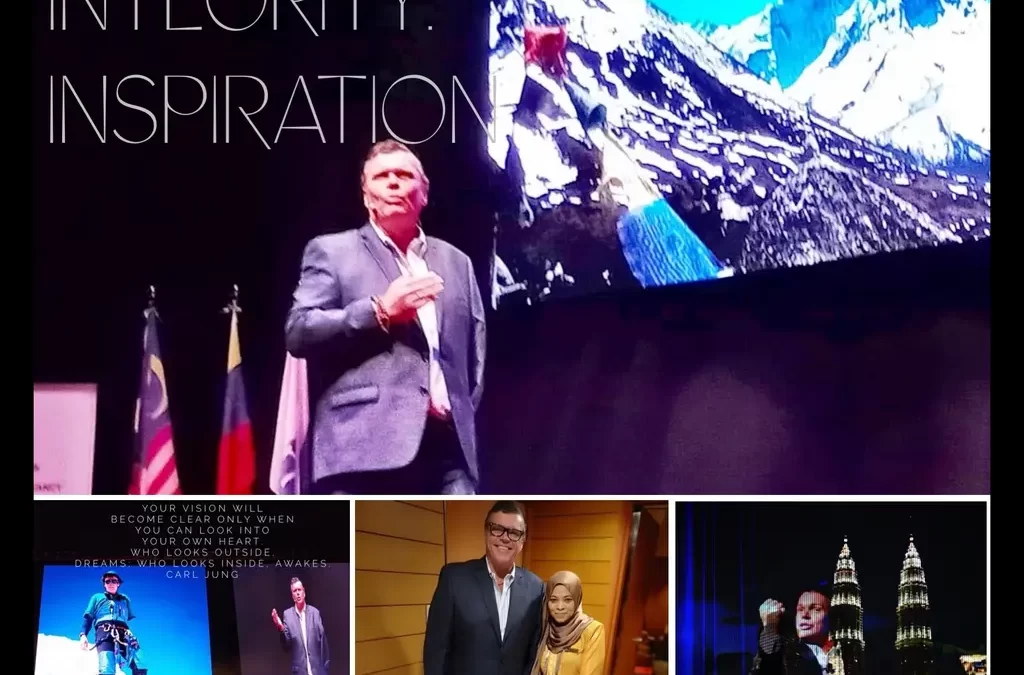
A packed ballroom can feel electric for 60 minutes and still leave little behind by Monday morning. That is the standard a global corporate speaker must meet: not simply earning applause, but creating a shared experience that changes how people respond when pressure rises, plans shift, and the next difficult decision arrives.
For event planners and senior leaders, the stakes are real. A keynote may open a sales kickoff, reset the tone after a demanding year, unite teams after a merger, or give leaders language for a strategy that must become action. The right speaker brings energy, certainly. More importantly, they bring credibility, relevance, and a message strong enough to travel from the stage into conversations, meetings, and performance.
What a Global Corporate Speaker Must Deliver
A speaker working across corporate cultures, industries, and audience sizes needs more than a polished story. They need the judgment to understand the room quickly. A leadership team in New York, a sales organization in Singapore, and a university audience in Europe may share a need for resilience, but the way that need is felt can be very different.
The strongest global keynotes respect those differences without becoming generic. They start with universal human realities: uncertainty, ambition, fear of failure, trust, belonging, and the choice to keep moving. Then they connect those realities to the organization’s immediate moment. A keynote should feel expansive enough to inspire a diverse audience and specific enough that attendees recognize their own work in it.
That balance is especially valuable when organizations are asking people to do more with less, collaborate across functions, or maintain standards through rapid change. Employees do not need another reminder that change is happening. They need a believable example of how people can meet an overwhelming challenge together.
Credibility that cannot be copied
Corporate audiences are quick to recognize borrowed language. They have heard the phrases about grit, disruption, and high performance. What they remember is proof.
Gary Guller’s journey to the summit of Mount Everest as the first person with one arm to do so offers that proof in a way few business narratives can. The achievement is remarkable, but its greater value is what it reveals: progress comes through preparation, trust, communication, adaptation, and the willingness to continue when the path becomes harder than expected.
The record-setting cross-disability Everest Base Camp expedition adds another dimension. It is not a story of one person standing apart from the team. It is a demonstration that exceptional outcomes are built when people recognize each other’s strengths, plan for real constraints, and refuse to define possibility too narrowly.
For organizations working to build inclusive, high-performing cultures, that distinction matters. Inclusion is not a ceremonial value on a slide. It is a performance advantage. Teams make better decisions when more people can contribute fully, ask for help, challenge assumptions, and bring their capability to the mission.
A story is only valuable when it becomes useful
A memorable expedition story can open hearts. A meaningful corporate keynote must also sharpen decisions. The transition from the mountain to the workplace is where many presentations either earn their place on the agenda or lose it.
The best speakers translate experience without forcing comparisons. A quarterly target is not Everest, and a difficult meeting is not a life-threatening climb. Audiences do not need exaggerated metaphors. They need practical lessons that honor the reality of their work: prepare carefully, clarify the next move, communicate when conditions change, and keep the team connected when confidence is tested.
This is where multimedia can make a difference. Images and documentary footage from an expedition do more than add spectacle. Used well, they make the consequence of each decision visible. The audience sees the terrain, the exposure, the teamwork, and the moments where turning back, pressing forward, or changing course carried real weight. That emotional clarity creates a bridge to the choices people face in their own organizations.
The Difference Between Motivation and Momentum
Motivation is a feeling. Momentum is behavior repeated after the feeling fades.
A keynote that creates momentum gives people language they can use together. A sales team may leave with a renewed commitment to make the next call after rejection. A leadership group may confront an overdue conversation about trust. An organization navigating transformation may recognize that no one has to have every answer before taking the next responsible step.
That does not mean every event requires the same message. A client-appreciation program may need a powerful, uplifting experience that reinforces partnership. An investor or shareholder gathering may call for a confident presentation about perseverance, risk, and disciplined execution. A sales kickoff often benefits from urgency, competitive focus, and the reminder that individual effort becomes greater when a team is aligned.
The event objective should shape the keynote. A speaker who asks thoughtful questions before arriving is more likely to serve the larger program rather than simply perform within it.
How to Choose the Right Speaker for the Room
Event planners are often balancing executive expectations, budget, logistics, and an audience with widely different roles. The decision becomes easier when the evaluation goes beyond a highlight reel.
Look for evidence that the speaker can hold both the emotional and strategic sides of the room. Their story should command attention, but their point of view should stand up to executive scrutiny. They should be able to connect with frontline employees without losing the confidence of senior leaders.
A few practical questions reveal a great deal:
- Does the speaker’s lived experience directly support the theme of leadership, teamwork, resilience, communication, or execution?
- Can they adapt their keynote to the audience, event objective, and cultural context without becoming overly scripted?
- Do they bring a stage presence that works in a large general session as well as a more intimate leadership setting?
- Is there a clear path from their story to actions the audience can take after the event?
- Do their prior corporate engagements demonstrate trust at the level your event requires?
There are trade-offs. A highly customized keynote can create a stronger connection, but it requires early collaboration and clarity about the business challenge. A large, high-energy general session may prioritize emotional lift, while an executive retreat may benefit from more reflection and direct conversation. Neither is better in every situation. The right choice depends on what the audience needs to carry forward.
Global Relevance Requires Humility
Speaking internationally is not just a matter of boarding a plane or changing a few examples. It requires awareness of how audiences experience hierarchy, risk, directness, success, and vulnerability. It also requires humility about what the speaker does not know.
A global audience responds to authenticity. They can feel the difference between a speaker who claims to have all the answers and one who has faced extraordinary conditions, learned from them, and invites others to consider their own next step. That invitation creates connection across borders.
The mountain offers a powerful frame because it is honest about limits. There are conditions no one controls. There are times when the route changes. There are moments when the strongest move is to pause, listen, and protect the team. Yet there is also preparation, courage, and a capacity in people that often becomes visible only after the easy options are gone.
That is why a great keynote does not promise that every goal will be easy or every outcome guaranteed. It gives people a reason to believe they can meet the moment with greater discipline, courage, and connection.
Make the Keynote Part of the Mission
The most effective event teams treat the keynote as a strategic moment, not an isolated agenda item. They align it with the event theme, prepare leaders to reference its ideas afterward, and create space for teams to discuss what the message means in their day-to-day work.
A single question can extend the impact: What is the next mountain our team must climb, and what will it require from each of us? The answer may involve a growth target, a customer challenge, a cultural shift, or a hard season that no one chose. What matters is that people leave with ownership of the next step.
When the story is real, the message is clear, and the audience sees itself in the challenge, a keynote can become more than a high point in the program. It can become the moment a team decides that together, anything is possible.