
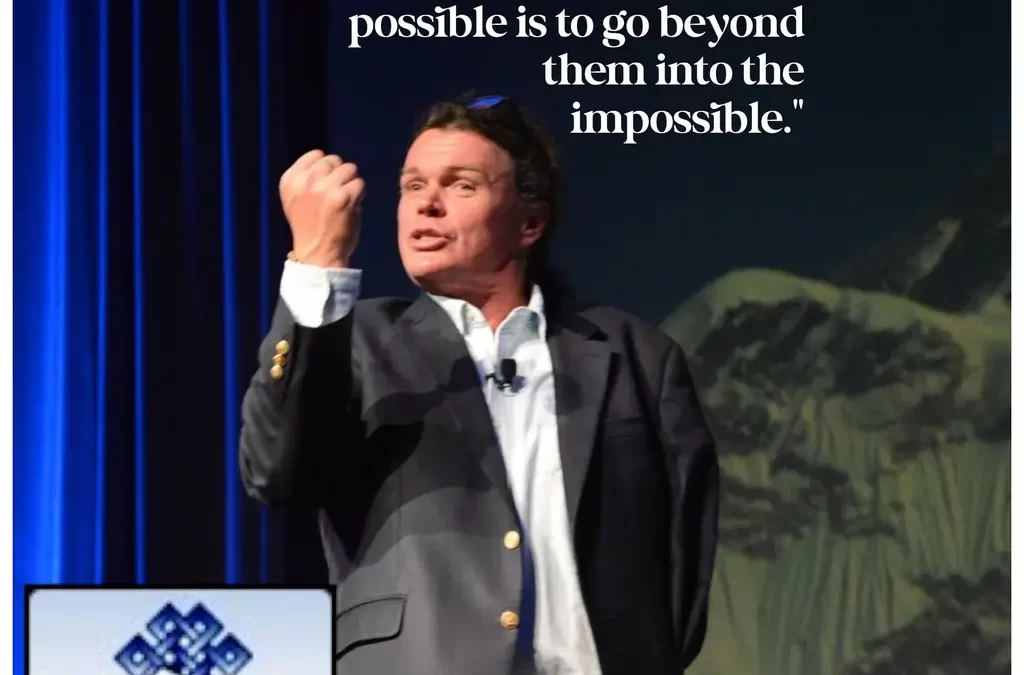
A corporate audience can sense the difference between a polished message and a story that has been earned. When an Everest speaker steps onstage, the room is not asked to imagine pressure, risk, fatigue, or uncertainty. It is invited into a real account of what happens when the stakes are high, the path is unforgiving, and every person on the team matters.
That distinction matters to event planners and leaders who need more than a pleasant hour between meetings. A keynote should create a shared reference point that employees can carry into difficult conversations, ambitious goals, and the daily work of executing together.
What Makes an Everest Speaker Different?
Mount Everest is often used as a metaphor for big goals. But the mountain is not a metaphor to someone who has faced its cold, altitude, danger, and demands for disciplined preparation. The credibility comes from the details: decisions made while depleted, setbacks that could not be wished away, and the dependence on teammates who must communicate clearly when conditions are at their worst.
For Gary Guller, becoming the first person with one arm to summit Mount Everest was never a story about overcoming a mountain alone. It was proof of what becomes possible when preparation, trust, adaptive thinking, and courageous leadership come together. His experience leading a record-setting cross-disability expedition to Everest Base Camp adds another dimension that organizations increasingly value: inclusion is not merely a principle stated in a handbook. It is a performance advantage when every capable person is seen, supported, and challenged to contribute.
A powerful Everest keynote does not leave an audience with the vague instruction to “never give up.” It reveals why perseverance without strategy can be reckless, why individual talent cannot replace team alignment, and why asking for help can be one of the strongest decisions a leader makes.
The Business Lessons Behind the Summit
The best adventure stories earn attention because they are dramatic. They create value because they connect directly to the pressures people recognize in their own work. A sales organization preparing for an aggressive target, a leadership team navigating change, or a company rebuilding momentum after disruption may not be climbing at 29,000 feet. Yet each group understands the need to move forward when certainty is limited.
Preparation creates confidence before pressure arrives
On Everest, success is shaped long before summit day. Training, equipment, route planning, weather awareness, and contingency decisions all matter. In business, the same is true. Teams often call a result “execution” when the real differentiator was the preparation that made decisive execution possible.
This lesson is especially relevant for sales kickoffs, leadership off-sites, and annual meetings. When people feel overwhelmed by the scale of a goal, they need a way to break it into the next disciplined step. A keynote can reinforce that confidence is not wishful thinking. It is built through preparation, repetition, accountability, and a willingness to learn from what did not work.
Communication is a safety system
At altitude, unclear communication can create real danger. Team members must speak up about changing conditions, conserve energy, share information, and make decisions before a small problem becomes a crisis. High-performing organizations face a less visible version of that challenge every day.
Leaders need honest information, not filtered reassurance. Employees need permission to raise concerns. Cross-functional teams need language that turns handoffs into shared ownership. An Everest speaker can make these concepts memorable because the consequences are immediate in the story, then practical in the workplace application.
There is also a useful tension here. Urgency can sharpen focus, but urgency without communication creates avoidable mistakes. Teams do not need more noise. They need clarity about priorities, roles, and the moment when someone must say, “We need to adjust the plan.”
Resilience is not pretending setbacks do not hurt
Corporate audiences have heard resilience discussed so often that the word can lose its force. A credible story restores its meaning. Resilience is not a motivational poster or a demand that people push through every obstacle without emotion. It is the ability to assess reality, recover perspective, and choose a constructive next action.
That requires vulnerability as well as strength. A speaker who openly addresses fear, physical limitations, disappointment, and uncertainty gives audiences permission to confront their own barriers honestly. The result is not lowered standards. It is more mature performance, because people stop spending energy pretending that challenges do not exist.
Why the Everest Speaker Experience Stays With People
Most corporate events have full agendas. Attendees move quickly from presentations to meals, meetings, and travel. A keynote must therefore do more than deliver good advice. It must create a moment that people remember well enough to repeat.
Expedition imagery, documentary footage, and vivid firsthand storytelling help transform a familiar business idea into an experience. The audience sees the terrain. They feel the scale of the undertaking. They understand that the summit was not the result of one heroic burst of effort, but thousands of decisions, many of them made in difficult conditions.
That emotional connection is not separate from business impact. It is how a message becomes usable. When a manager later needs to lead through a setback, or a team needs to choose collaboration over blame, a powerful image and a clear story can return at exactly the right moment.
For event planners, this also makes the keynote a strong opening or closing program. As an opener, it establishes energy and a standard of possibility. As a closer, it gives the event’s strategic themes a human frame and sends people out with a shared sense of purpose. The better placement depends on the agenda, the audience’s current challenges, and whether leaders want the keynote to launch a conversation or reinforce one.
Choosing the Right Everest Speaker for Your Event
Not every adventurer is automatically the right corporate keynote speaker. The achievement should be extraordinary, but the audience also needs a presenter who can translate experience into relevant insights without making the event feel like a travelogue.
Look for a speaker with a demonstrated ability to address leadership, teamwork, communication, resilience, and execution in language that fits your organization. Ask how the presentation can be tailored to the audience, whether the format includes visual storytelling, and how the speaker engages a room that includes both senior executives and frontline employees.
It also helps to consider what your audience needs emotionally. Some groups need renewed belief after a demanding period. Others need a direct challenge to become more accountable, collaborative, or adaptable. A meaningful keynote can deliver both inspiration and practical relevance, but the emphasis should match the moment.
Inclusion deserves particular attention. Stories of achievement can unintentionally suggest that only extraordinary people are capable of extraordinary results. The stronger message is different: every person has limits, every team has constraints, and meaningful progress begins when people refuse to define capability too narrowly. That perspective can resonate across generations, functions, and levels of an organization.
From Applause to Action
The standing ovation is not the real measure of a keynote. The more valuable question is what people do after the room goes quiet. Do leaders use the story to reinforce a strategic priority? Do teams refer back to it when pressure rises? Do employees feel more connected to one another and more willing to take the next difficult step?
Event organizers can extend the impact by aligning the keynote with the language of the meeting. If the event is centered on growth, customer commitment, culture, or transformation, give the speaker that context. The goal is not to force an expedition story into a corporate theme. It is to let a real story illuminate the challenge your people already face.
The most memorable message from the mountain is not that everyone must climb Everest. It is that daunting goals are reached through the next prepared step, the next honest conversation, and the next act of trust. Put the right Everest speaker in the room, and those choices can feel possible long after the event ends.