
A conference agenda can be flawless and still leave people unchanged. The difference often comes down to event speakers: not simply whether they can energize a room, but whether they can make a strategic message feel personal, urgent, and possible.
For a sales kickoff, leadership meeting, client program, or university gathering, the right keynote creates a shared reference point. Weeks later, people may not remember every slide from the day. They remember the story that gave them language for the hard work ahead – and the moment they realized they could go beyond the limit they had quietly accepted.
What Great Event Speakers Actually Deliver
A strong speaker is not hired to fill 60 minutes. They are hired to help an audience cross a gap: from uncertainty to commitment, from fragmented effort to shared ownership, or from exhaustion to renewed belief.
That work requires more than a polished biography or a big-stage presence. Audiences, particularly experienced corporate audiences, can recognize borrowed inspiration quickly. They want proof. They want a message that respects the pressure they are under. Most of all, they want a speaker who can connect a powerful story to the practical choices people must make when the meeting ends.
The best event speakers bring three elements together: credibility, emotional connection, and clear application. Credibility earns attention. Connection makes the message matter. Application gives people something to carry into their next conversation, decision, or difficult day.
Consider the difference between hearing that resilience matters and seeing what resilience looks like when conditions deteriorate, the path disappears, and a team must decide whether to press forward, regroup, or turn back. The lesson becomes real when the stakes are real.
Start With the Outcome, Not the Speaker Topic
Event planners often begin with a theme: leadership, teamwork, change, motivation, or performance. Those are useful starting points, but they are too broad to guide a high-value keynote on their own.
Begin instead with the outcome you need. Is the organization entering a demanding growth phase? Does a newly combined team need to build trust? Is a sales organization being asked to execute against an ambitious target after a difficult quarter? Are leaders trying to move inclusion from a statement into daily behavior?
A speaker should be able to meet that specific moment. The right question is not, “Do they speak about leadership?” It is, “Can they help our people lead through the challenge we are facing now?”
When the answer is clear, the event becomes easier to shape. The keynote can reinforce the executive message, deepen the emotional tone of the program, and give managers a story they can revisit with their teams. That is how a one-time presentation supports a longer-term initiative.
Define the change you want to see
Before reviewing speaker materials, write one sentence that describes the desired shift. For example: “We want our leaders to take greater ownership across functions,” or “We want our sales team to believe the goal is demanding but achievable through disciplined teamwork.”
That sentence becomes a filter. It keeps the selection process focused on impact rather than celebrity, novelty, or a generic motivational promise.
Look for Experience That Can Carry the Room
Not every impressive accomplishment translates into an effective keynote. The achievement must have a human center, and the speaker must know how to draw the audience into it.
A powerful story of expedition, endurance, business transformation, recovery, or service can create immediate attention. Yet the story is only the vehicle. What matters is whether the speaker can show the decisions behind the outcome: how trust was built, how fear was managed, how setbacks were handled, and how a team stayed connected under pressure.
Gary Guller’s ascent of Mount Everest as the first person with one arm to reach the summit carries this kind of authority. The achievement is extraordinary, but its value for an organization is not found in the altitude alone. It is found in the choices required along the way: preparing relentlessly, relying on others, adapting when conditions change, and continuing to move when the goal feels far beyond reach.
That distinction matters for buyers. A keynote should never leave attendees thinking, “That person is exceptional, but this has nothing to do with me.” It should leave them thinking, “If that team could find a way forward under those conditions, what is possible for us?”
Ask how the story becomes relevant
During the selection process, listen for specificity. Can the speaker connect their experience to cross-functional collaboration, accountability, communication, resilience, and execution? Can they adapt the message for senior leaders, frontline teams, a global audience, or a room that includes clients and partners?
Customization should not mean forcing a company slogan into a speech. It means understanding the audience’s real terrain and making the lessons useful within it.
Build the Keynote Into the Event Experience
A keynote is strongest when it is part of the program’s architecture, not an isolated burst of applause between sessions. The event team, executive sponsor, and speaker should align on the purpose of the presentation before anyone steps on stage.
Share the strategic priorities behind the meeting. Explain the audience makeup, recent wins, current tensions, and language to avoid. Let the speaker know what attendees have already heard that day and what they need to hear next. This preparation gives the keynote a place in the narrative rather than making it feel imported.
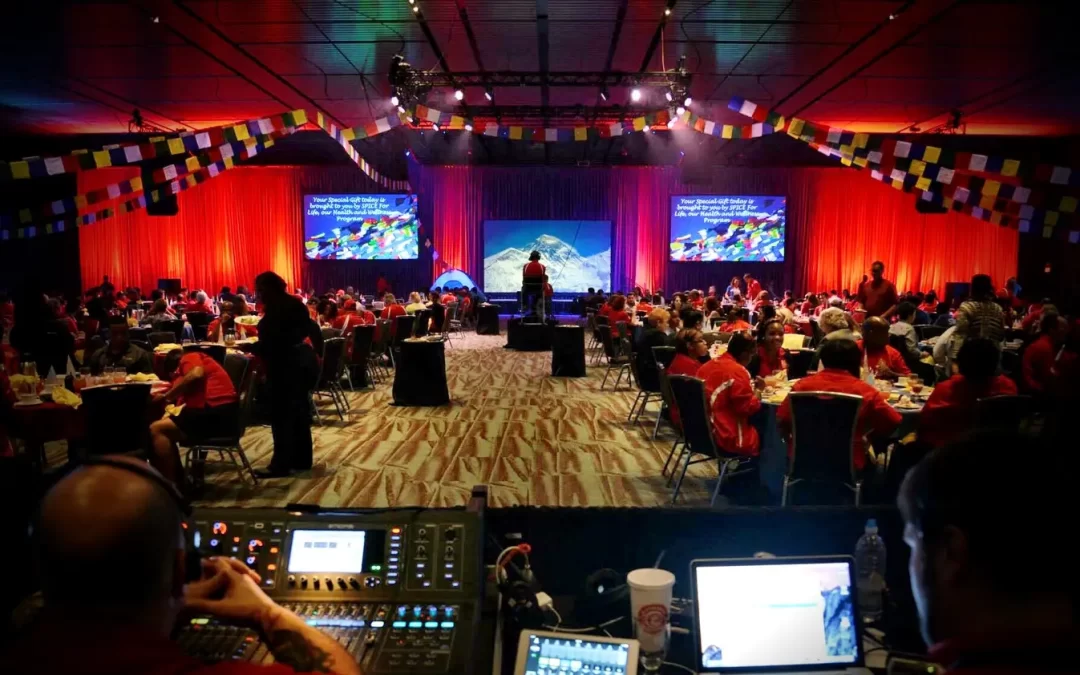
Multimedia can deepen that experience when it supports the story. Expedition imagery, documentary footage, and visual moments from the field can make an audience feel the scale of a challenge in seconds. Used with intention, those elements do not distract from the business message. They make it memorable.
Timing matters as well. Opening keynotes can create belief and establish a bold standard for the event. Closing keynotes can help people turn a packed agenda into a personal commitment. Neither placement is automatically better. It depends on whether your audience needs energy to begin, perspective to process, or a final push toward action.
Measure More Than Applause
Applause is a signal, not a result. A standing ovation may reflect a moving moment, but event leaders should also ask what happened after the room settled.
Useful measures can be simple. Ask attendees what idea they plan to apply, what behavior they intend to change, or which story they will share with their team. Give leaders a short set of discussion prompts for the next staff meeting. Reference the keynote’s core language in follow-up communications and recognition programs.
This does not turn inspiration into a spreadsheet exercise. It honors the investment by creating a bridge between emotional impact and daily execution. When an employee uses a story from the stage to persist through a setback, ask for help earlier, or bring a colleague into a difficult decision, the keynote has done meaningful work.
The Right Choice Creates a Shared Standard
There is no single formula for selecting event speakers. A highly technical audience may need more industry fluency. A celebration may call for joy and recognition. A team emerging from uncertainty may need a speaker willing to acknowledge difficulty before asking people to rise.
But the enduring requirement is the same: choose someone whose message is strong enough to move a room and grounded enough to stay with it. In the moments that test a team most, people need more than a slogan. They need a shared standard for how they will climb – together, one deliberate step at a time.