
A standing ovation is not the measure of a successful keynote. It is the easy part. The real measure is what happens when the sales team faces a difficult quarter, when leaders must communicate through uncertainty, or when a team has to rebuild trust after a setback. Great motivational speakers give people more than a memorable hour. They give them language, perspective, and a shared standard for how to move forward.
For event planners and organizational leaders, that distinction matters. A keynote occupies a valuable moment in the agenda, often opening or closing a conference where significant resources and expectations are on the line. The right speaker can create an emotional high point while reinforcing the business priorities that brought everyone together. The wrong fit may entertain without changing the conversation.
Motivational Speakers Must Earn Attention
Corporate audiences are sophisticated. They have heard polished stories, familiar quotes, and broad advice about believing in themselves. They know when a speaker is relying on performance alone. Energy has value, but energy without substance fades before the next meeting.
The speakers who hold attention have earned their message through experience. Their stories contain real stakes: decisions made under pressure, setbacks that could not be avoided, and goals that required sustained effort rather than a single burst of confidence. That credibility gives an audience permission to consider a difficult question: if this person found a way forward when conditions were at their hardest, where might we be underestimating our own capacity?
A powerful story should not be treated as a trophy case. The achievement is only the evidence. What makes it useful is the speaker’s ability to bring people inside the experience, including the fear, preparation, mistakes, dependence on others, and small choices that made progress possible. Vulnerability is not a detour from authority. When it is honest and purposeful, it is what makes authority believable.
The Difference Between Inspiration and Application
Inspiration creates possibility. Application turns possibility into action. A keynote needs both.
Consider an expedition toward a summit. Most people recognize the visible moment: the flag on the peak, the photograph, the final accomplishment. Yet experienced teams know that success is decided long before that moment. It is built through preparation, honest communication, risk assessment, disciplined pacing, and the willingness to turn back when a condition changes.
The same is true in business. Teams rarely fail because they lack a slogan. They struggle when assumptions go unspoken, when people operate in silos, when leaders confuse urgency with clarity, or when setbacks are treated as proof that the goal was impossible. An effective keynote connects the drama of an extreme experience to those everyday organizational realities without forcing the comparison.
That means the speaker must understand the audience’s context. A sales kickoff may need renewed belief after a demanding year, but it also needs accountability and focus. A leadership retreat may require candid reflection on how decisions are being made. A client event may call for a story that reinforces trust, ambition, and the value of partnership. The best message is not generic motivation delivered louder. It is a clear, human challenge shaped for the room.
What a Strong Keynote Gives a Team
A meaningful keynote often gives an organization three things at once: perspective, connection, and momentum.
Perspective helps people see a demanding goal without becoming overwhelmed by its size. On a mountain, no one reaches the top by staring at the summit every second. Progress comes through the next responsible step, an awareness of changing conditions, and a commitment to the team. In a company, the principle is similar. Ambitious outcomes become manageable when people understand their role, their next move, and the larger purpose of their work.
Connection matters because pressure can isolate people. A shared keynote experience can reopen conversation across departments and levels of seniority. When people see courage expressed as preparation, openness, and mutual support, they have a more useful model of strength than individual heroics. High performance is rarely a solo act.
Momentum is what remains when attendees return to their work. It may be a leader deciding to communicate more directly, a team redefining a setback as data, or a sales organization committing to a higher standard of preparation. Not every audience member will take the same action, and that is healthy. The goal is not forced uniformity. It is to create a common emotional reference point that helps people act with greater intention.
Why Lived Experience Changes the Room
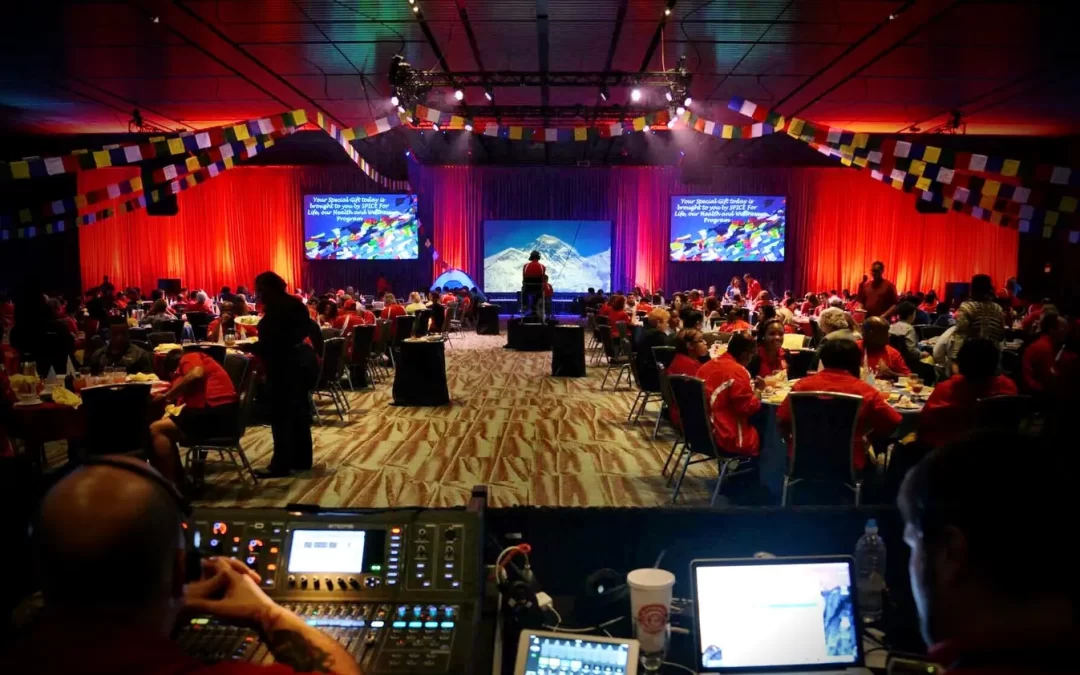
There is a particular power in hearing from someone who has faced a challenge the audience can see and feel. The image of a climber in brutal conditions, an endurance athlete continuing through pain, or a team navigating a high-risk environment makes abstract concepts tangible. Multimedia can deepen that impact when it is used to serve the story rather than distract from it.
Gary Guller brings this kind of lived credibility to the stage as the first person with one arm to summit Mount Everest and as the leader of a record-setting cross-disability Everest Base Camp expedition. Those accomplishments are extraordinary, but their greatest value for a corporate audience is not spectacle. They demonstrate what becomes possible when individuals prepare relentlessly, communicate honestly, accept support, and refuse to let a perceived limitation define the outcome.
That last point has special relevance for organizations seeking a more inclusive culture. Inclusion is not simply a statement of values. It is the practical recognition that talent, insight, and leadership can look different from the assumptions people carry. When teams make room for different perspectives and capabilities, they do not lower the standard. They expand what the team is capable of achieving together.
Choosing Motivational Speakers for the Moment
The right speaker depends on the purpose of the event. A large convention may benefit from cinematic storytelling and an expansive message that brings thousands of people together. A senior leadership meeting may require a more intimate account of decision-making, risk, and accountability. A university audience may respond most strongly to themes of identity, resilience, and choosing a path before certainty arrives.
Event planners should look beyond a highlight reel. Ask whether the speaker can connect their experience to leadership, teamwork, communication, and execution. Ask how they adapt for the audience, what visual elements they use, and whether their message will complement the larger agenda. Strong client validation can be reassuring, but relevance is more important than reputation alone.
There are trade-offs. A celebrity may generate immediate recognition, while a deeply experienced adventurer may offer a more lasting connection to resilience and team performance. A highly tactical business presenter may provide frameworks, while a story-led keynote may create the emotional commitment that helps people use those frameworks. The most effective programs often balance both, placing the keynote where it can give the event a unifying sense of purpose.
The Message People Carry Forward
No organization can promise an easy path to its goals. Markets change, plans encounter resistance, and even strong teams have difficult days. What leaders can create is a culture where people meet those realities with courage, discipline, and a willingness to rely on one another.
That is the enduring role of a great keynote. It reminds a room full of capable people that the obstacle is not the end of the story. With a clear purpose, honest communication, and a team committed to the climb, the limits that once looked fixed can become the starting point for a greater achievement.