
A ballroom can be full, the screens can be flawless, and the agenda can be packed with strong business content – yet an event can still leave no mark. The difference is often the speaker who gives people a reason to care. The best corporate speakers do more than create a high-energy hour. They help an audience see its challenge, its capability, and its next move with greater clarity.
For event planners and leaders, that distinction matters. A keynote is one of the few moments when an entire organization is focused on the same message at the same time. Used well, it can reinforce a strategic direction, restore belief after a difficult quarter, bring a sales organization together before a major push, or remind leaders that performance is never a solo climb.
What Corporate Speakers Are Really Hired to Do
A speaker is not hired simply to fill a program slot between lunch and the awards dinner. At a meaningful corporate event, the keynote sets an emotional and intellectual standard. It tells attendees, often without saying so directly, what the organization values and what it expects from them next.
That is why the strongest speakers combine an extraordinary story with a practical point of view. Inspiration without application may earn applause, but it rarely changes behavior. On the other hand, a presentation overloaded with business frameworks can feel like another meeting. The memorable middle ground is a speaker who makes the room feel something first, then gives that feeling a place to go.
Consider the leadership lessons inside a mountain expedition. At altitude, preparation matters, but preparation alone does not guarantee progress. Conditions change. Communication breaks down. A teammate struggles. The summit attempt may need to pause or turn back. Those realities create a powerful mirror for organizations navigating change, pressure, and ambitious goals. The story earns attention; the lessons make it useful.
For an audience, the message becomes personal: What will we do when the plan changes? How will we communicate when the stakes rise? Will we measure success only by individual achievement, or by whether the team gets stronger together?
The Qualities That Separate Good Corporate Speakers From Memorable Ones
Credentials can open the door, but credibility is what holds a room. Audiences can quickly sense whether a speaker has lived the lessons they are presenting. Real experience creates detail that cannot be manufactured: the decision made in a storm, the hard conversation with a teammate, the vulnerability of confronting a limit, and the discipline required to take one more step.
That does not mean every event needs an adventurer, athlete, or celebrity. It means the speaker’s authority should match the purpose of the meeting. A leadership retreat may benefit from someone who has led through genuine uncertainty. A sales kickoff may call for a speaker who understands resilience, competitive energy, and daily execution. A culture-focused event may require a voice that can address inclusion and belonging with honesty rather than slogans.
The best presentations also respect the intelligence of the audience. Senior leaders do not need exaggerated promises. Employees facing demanding goals do not need to be told that obstacles are easy. They need a speaker who can acknowledge the climb, show what committed teamwork looks like under pressure, and make high performance feel demanding but possible.
Visual storytelling can make that experience even more immediate. Images from an expedition, documentary footage, and carefully chosen multimedia do not replace substance. They help the audience enter the story, remember the moment, and connect a dramatic challenge to the work waiting for them after the event.
Relevance is built before the speaker reaches the stage
A keynote can be exceptional and still miss its mark if it is not aligned with the event’s central message. The right speaker asks thoughtful questions before building the presentation: What does this organization need to accomplish? What is the audience carrying into the room? Is this a celebration, a reset, a call to execute, or a moment to reconnect across teams?
That preparation allows the keynote to support the larger program rather than sit beside it. If leaders are asking for greater accountability, the speaker can reinforce the choices accountability requires. If the organization is bringing together teams after a period of change, the program can emphasize communication, trust, and a shared mission. If the event is a sales kickoff, the message can connect resilience with the consistent actions that create results.
Customization has limits, and event buyers should welcome that honesty. A speaker should not pretend to be an expert in a company’s proprietary business model after one briefing call. The goal is not to rewrite a proven keynote from scratch. It is to connect a powerful, tested message to the audience’s real world with care and precision.
How to Choose Corporate Speakers for the Moment That Matters
Start with the outcome, not the speaker category. “We need a motivational speaker” is a beginning, but it is not yet a brief. Define what attendees should think, feel, or do differently when they return to their work.
A few questions can bring the decision into focus:
- Does the audience need renewed energy, clearer accountability, stronger collaboration, or confidence during change?
- Will the room include executives, frontline employees, sales teams, clients, or a mix of stakeholders?
- Is the event asking people to celebrate results, confront a challenge, or commit to a demanding next chapter?
- What message must still be repeated by leaders after the applause ends?
Once the desired outcome is clear, assess speakers beyond their highlight reel. Watch for evidence of stage command, but also look for emotional range. Can the speaker move from a dramatic moment to a practical lesson? Can they bring a large room together without relying on empty hype? Can they speak about adversity in a way that builds agency rather than pity?
For global audiences, clarity matters as much as charisma. Stories that cross cultures tend to focus on universal human experiences: commitment, fear, preparation, trust, setbacks, courage, and the responsibility people have to one another. A speaker with international experience can be especially valuable when the event brings different regions, functions, or perspectives into one room.
Why Shared Experience Creates Organizational Momentum
People rarely remember every slide from a conference. They remember the moment they laughed with colleagues, the story that made a difficult goal feel less abstract, and the idea that surfaced in conversations afterward. A strong keynote creates a shared reference point that leaders can return to for months.
That is particularly valuable when teams are under pressure. It is easy to say, “We are all in this together.” It is harder to make that statement believable when deadlines are tight, resources are limited, and teams are working across functions or time zones. A story of an expedition where every person’s decision affects the group can give people a more tangible language for interdependence.
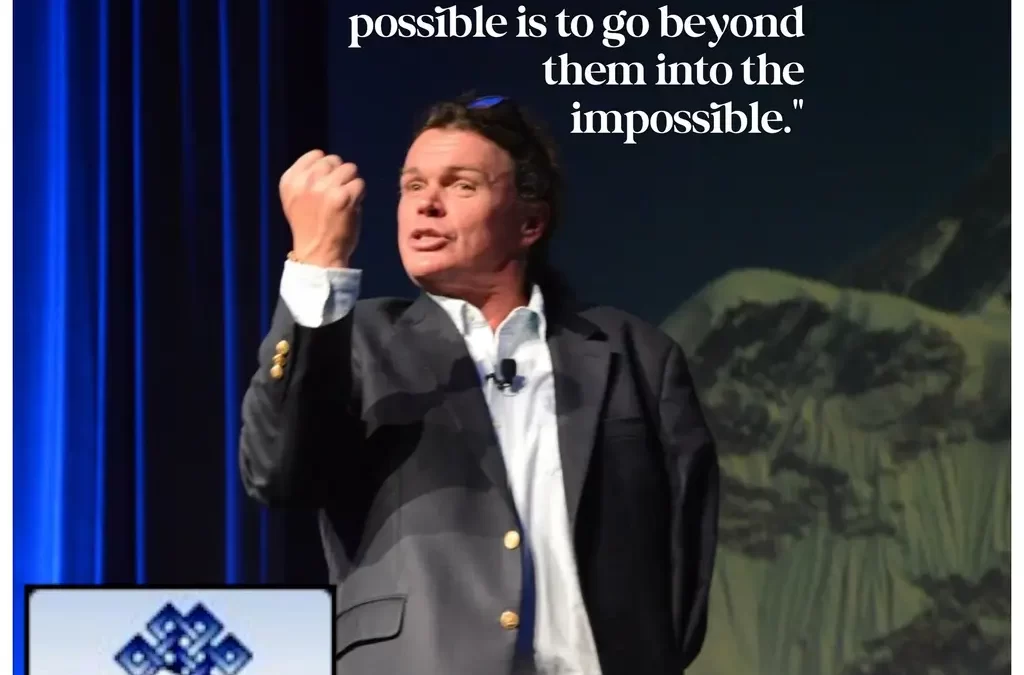
Gary Guller’s experience as the first person with one arm to summit Mount Everest offers that kind of proof. The achievement is remarkable, but its business value is not the record alone. It is the human truth behind it: progress demanded preparation, adaptability, support, communication, and a willingness to keep moving through adversity. Those are not mountain lessons only. They are performance lessons for any team with a difficult objective ahead.
There is also a deeper opportunity in bringing lived experience of disability and inclusion to the stage. It expands the definition of capability. Rather than framing people by perceived limitations, it asks audiences to consider what becomes possible when talent, resourcefulness, and team support are fully recognized. For organizations committed to an inclusive culture, that message can be both moving and operationally relevant.
Make the Keynote Part of the Event, Not the End of It
The most effective event teams plan for reinforcement. A keynote is a catalyst, not a substitute for leadership follow-through. Before the speaker begins, introduce the connection between the presentation and the organization’s priorities. Afterward, give managers language to continue the conversation in team meetings, leadership sessions, or sales huddles.
This does not need to become complicated. A leader might ask a simple question: “What is the next mountain our team must climb, and what will we do differently together?” That question invites ownership. It turns a memorable story into a practical conversation about preparation, communication, and execution.
A great keynote cannot remove every obstacle in front of an organization. It can do something more valuable: remind people that difficult terrain is where character, teamwork, and possibility become visible. Choose a speaker whose story gives your people the courage to take the next step – and whose message helps them take it together.